THE COMPLETE GUIDE
Things to Do in Malta
Seven thousand years of history, world-class diving, legendary beaches — three hours from London
FLIGHT TIME
3 hours
UNESCO SITES
3
SUNSHINE
300+ days
LANGUAGE
English
MALTA, MEDITERRANEAN
Malta, a Mediterranean jewel, is a compact archipelago steeped in millennia of history. Its strategic location has shaped a vibrant culture blending Phoenician, Roman, and Arab influences. Despite its modest size, Malta boasts three UNESCO World Heritage Sites, including megalithic temples older than the pyramids. The islands offer an extraordinary tapestry of experiences, from fortified cities to hidden coves, where every corner reveals a chapter of human civilisation. It is a destination where ancient whispers resonate through timeless landscapes, creating an unparalleled journey through time — all reachable in three hours from London with KM Malta Airlines.
Valletta — The Capital
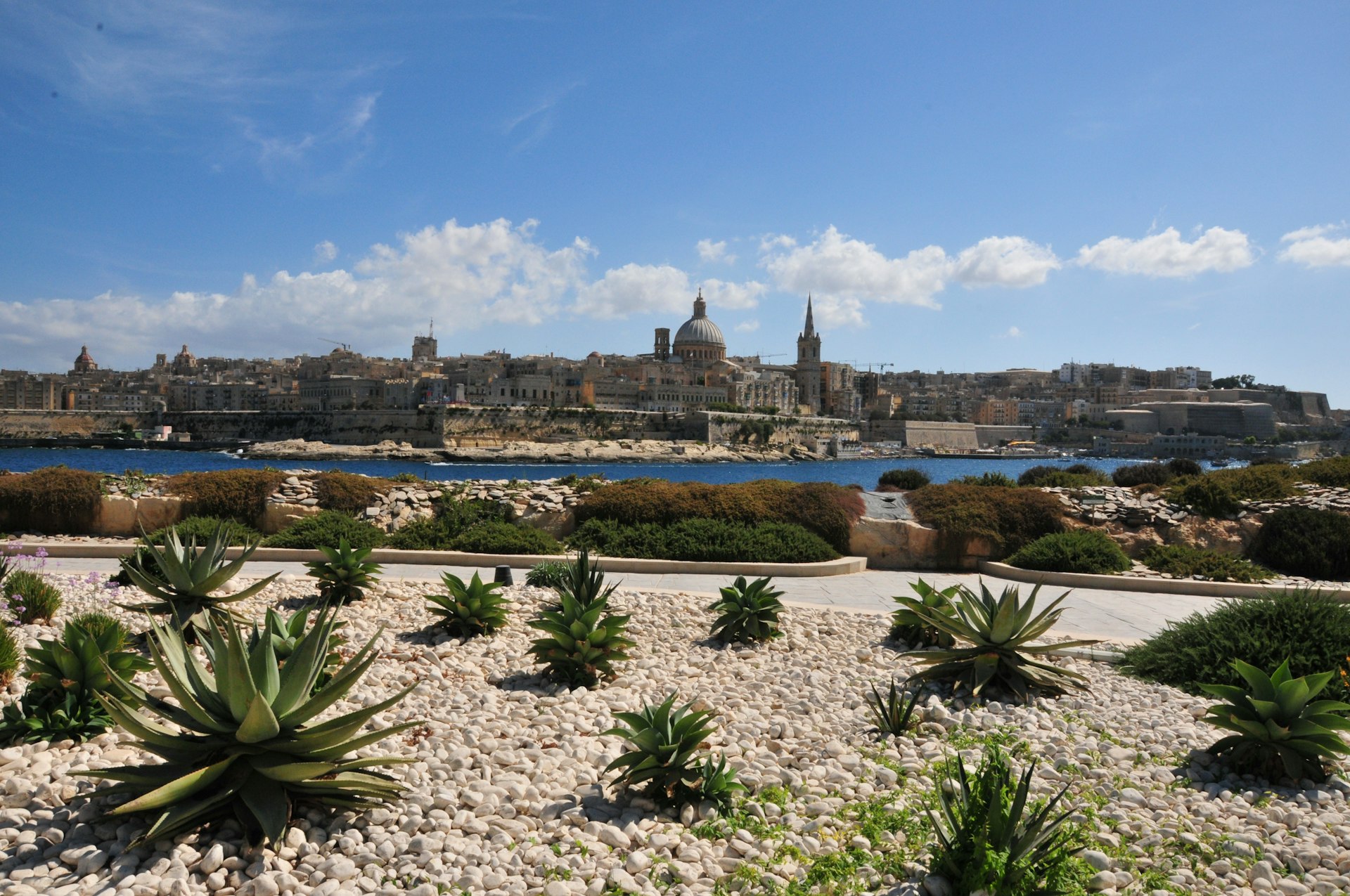
Valletta, Malta's fortified capital, is a baroque masterpiece overlooking the stunning Grand Harbour. St John's Co-Cathedral dazzles with its gilded interior and two Caravaggio masterpieces — the only canvas Caravaggio ever signed hangs here. The Grandmaster's Palace, once the seat of Knights' power, now houses opulent state rooms and 5,000 pieces of armour. The harbour's dramatic vistas are best savoured from the Upper Barrakka Gardens, while nearby Strait Street buzzes with chic bars and galleries, echoing its bohemian past. This city effortlessly marries grandeur with intimate charm, offering a sensory feast at every turn.
Ancient Temples
Malta's ancient temples, predating Stonehenge and Egypt's pyramids by over a thousand years, are a testament to a sophisticated prehistoric civilisation. Ħaġar Qim, perched on rugged clifftops overlooking the sea, and the colossal Ġgantija on Gozo showcase remarkable megalithic architecture built without metal tools. The Hypogeum of Ħal Saflieni, a subterranean necropolis carved entirely from rock, offers an eerie journey into Neolithic ritual and requires advance booking. These UNESCO-listed sites, dating back to 3600 BC, reveal advanced engineering and spiritual depth, inviting visitors to ponder the mysteries of Malta's enigmatic prehistoric past.
Malta packs seven thousand years of history, the Mediterranean's clearest water, and three UNESCO sites into an island smaller than the Isle of Wight.
Beaches & Water
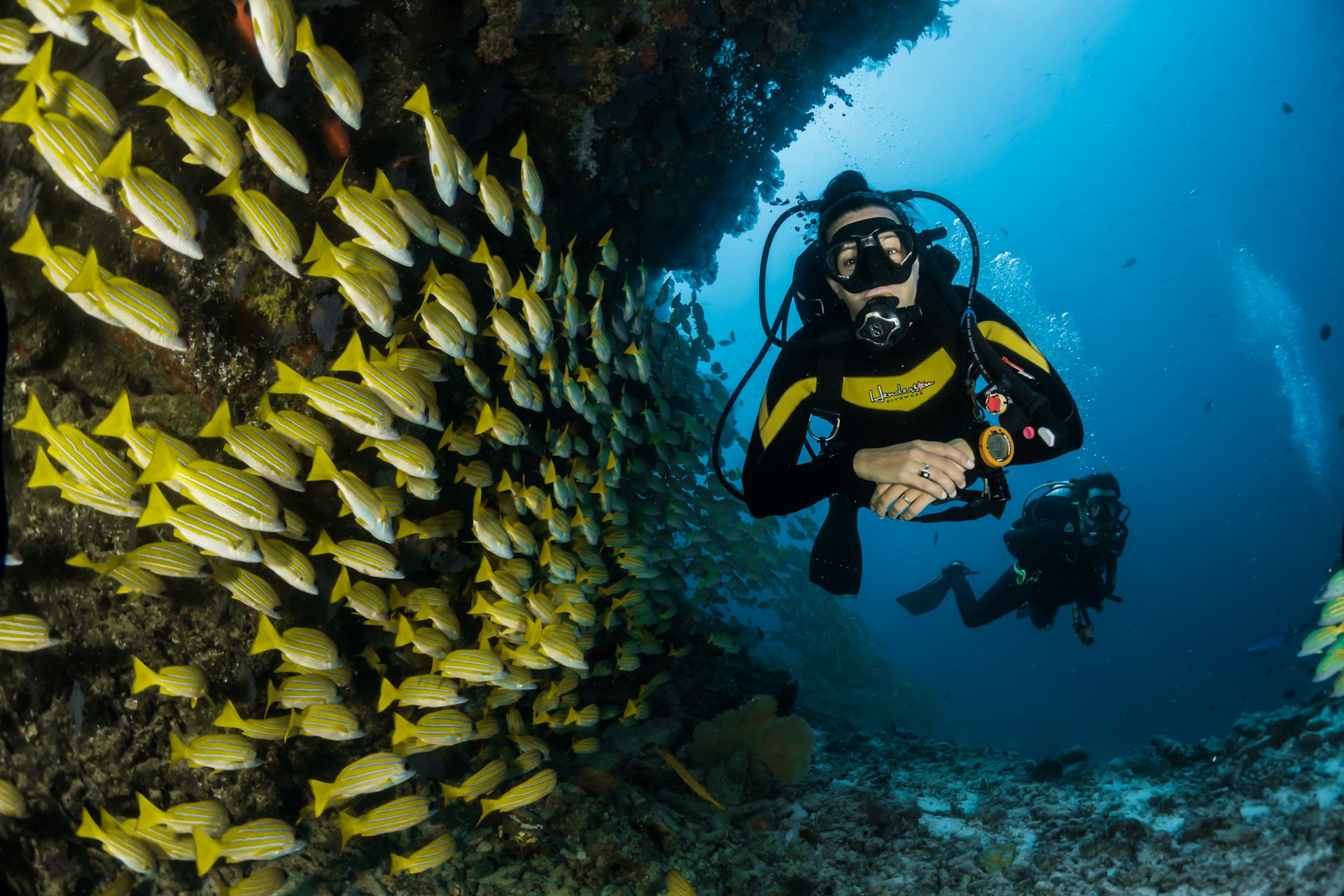
Malta's coastline is a playground for aquatic adventures and sun-seekers alike. The Blue Lagoon on Comino, with its turquoise water over white sand, is a must-visit for swimming and snorkelling — arrive before 10am in summer to experience it at its finest. Golden Bay and Mellieħa Bay offer sandy shores and family-friendly conditions. Diving at Dwejra on Gozo reveals underwater caves and vibrant marine life, with visibility regularly exceeding 30 metres. The Mediterranean's clarity and warmth make Malta a year-round haven for water enthusiasts, blending relaxation with exploration at every turn.
Gozo & Comino
Gozo and Comino, accessible by a 25-minute ferry from Ċirkewwa, offer a tranquil escape from Malta's busier areas. Gozo's rolling hills and traditional stone farmhouses evoke a timeless rural charm entirely absent from the main island. The Citadel at Victoria commands panoramic views across the entire island and shelters a baroque cathedral, museums, and atmospheric medieval streets. Ramla Bay's distinctive red-gold sand beach, associated with Homer's Odyssey and the nymph Calypso, ranks among the Mediterranean's most compelling. A day trip to Gozo reveals Malta's rustic soul — where slow living and natural beauty intertwine.
Food, Nightlife & Festivals
Malta's evenings pulse with energy and flavour across the archipelago. Paceville in St Julian's is the nightlife hub, with clubs and bars that run until dawn throughout the summer season. For culinary discovery, the Marsaxlokk Sunday market brims with fresh seafood and local produce against a backdrop of painted luzzus in the harbour. Village festas, celebrated weekly from spring through autumn, explode with fireworks, brass bands, and street parties. Carnival in February brings vibrant parades and elaborate costumes to Valletta. From rabbit stew at Rabino to innovative Mediterranean cuisine at Valletta's finest restaurants, Malta's food scene rewards the adventurous.

Frequently Asked Questions — Malta
Frequently Asked Questions
What are the best things to do in Malta?
Malta's top experiences include exploring Valletta's UNESCO baroque capital, visiting the ancient megalithic temples at Ħaġar Qim and Ġgantija, swimming at the Blue Lagoon on Comino, diving at Dwejra on Gozo, and crossing to Gozo by ferry for a day in the countryside. The Hypogeum of Ħal Saflieni — a Neolithic underground necropolis — requires advance booking and is one of Europe's most extraordinary archaeological sites.
How do I get to Malta from the UK?
KM Malta Airlines operates direct flights from London Heathrow and London Gatwick to Malta International Airport. Flight time is approximately 3 hours. The airline holds APEX Four Star Major Airline status for 2026. VisitMalta.co.uk packages combining KM Malta Airlines flights with Malta hotels are ATOL-protected and can be booked as a single transaction.
When is the best time to visit Malta?
April to June and September to October offer ideal conditions — temperatures of 22–27°C, manageable crowds, and excellent sea conditions for swimming and diving. July and August are peak season at 30–35°C with maximum visitor numbers. Winter from December to February is mild at 14–18°C — excellent for sightseeing in Valletta and exploring the countryside without crowds. Malta has over 300 days of sunshine per year.
How many days do you need in Malta?
A minimum of five days covers Malta's principal highlights: one day in Valletta, one day at the prehistoric temples, one day at the beach or Blue Lagoon, and a full day on Gozo. Seven to ten days allows proper exploration of all three islands, including Comino, and time for diving, village festas, and unhurried dining. First-time visitors consistently find that Malta rewards longer stays than initially planned.
Is Malta good for families?
Malta is excellent for families. English is an official language, the climate delivers reliable sunshine from May to October, and the island offers a range of activities for all ages — beaches, water parks, history, boat trips, and the Popeye Village. Mellieħa Bay is Malta's most family-friendly beach with shallow water and facilities. The Blue Lagoon requires a short boat trip and is suitable for older children comfortable in deeper water.
FLY DIRECT FROM LONDON
Discover Malta with KM Malta Airlines
KM Malta Airlines flies direct to Malta from London Heathrow and London Gatwick, approximately 3 hours. APEX Four Star Major Airline 2026. VisitMalta.co.uk packages are ATOL-protected.
Search Malta Holiday Packages