Mellieħa, Golden Bay, Comino, Ramla — Malta’s best beaches.
Sandy bays, rocky coves and the Blue Lagoon — a UK traveller’s guide to swimming the Maltese coast, with KM Malta Airlines.
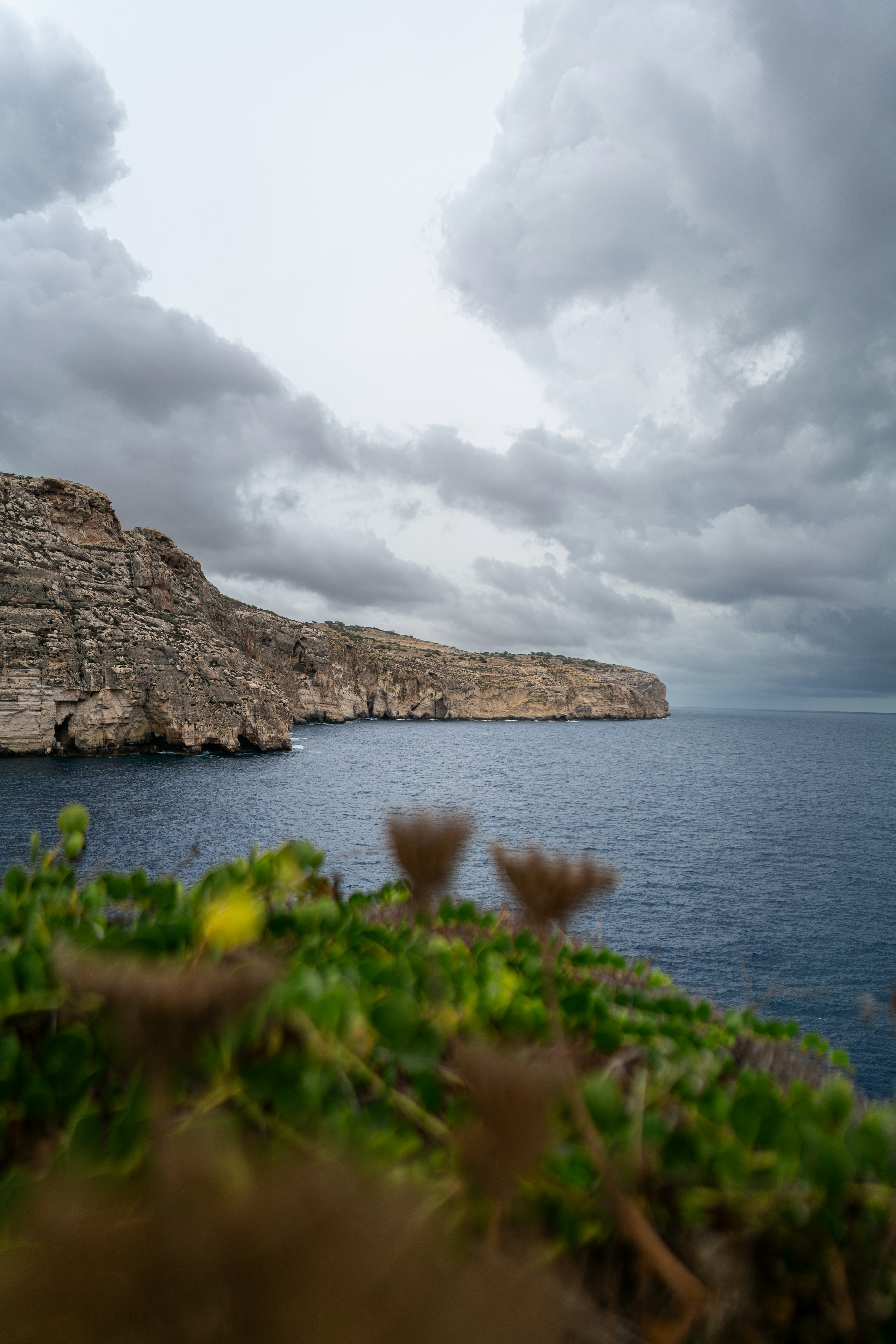
Maltese beaches are a study in geography. The archipelago is essentially a tilted limestone slab: sheer cliffs on the south-west, sandy bays on the north-east. That means much of Malta’s sand — real, golden, wade-in sand — is clustered on the north coast. The rest of the coastline is rock, which is not a drawback: rocky platforms give you extraordinary clear water, deep swimming and excellent snorkelling, often without a crowd. For UK visitors, the best beach strategy is to know which bay matches which day.
Mellieħa Bay (Għadira) — the big sandy one
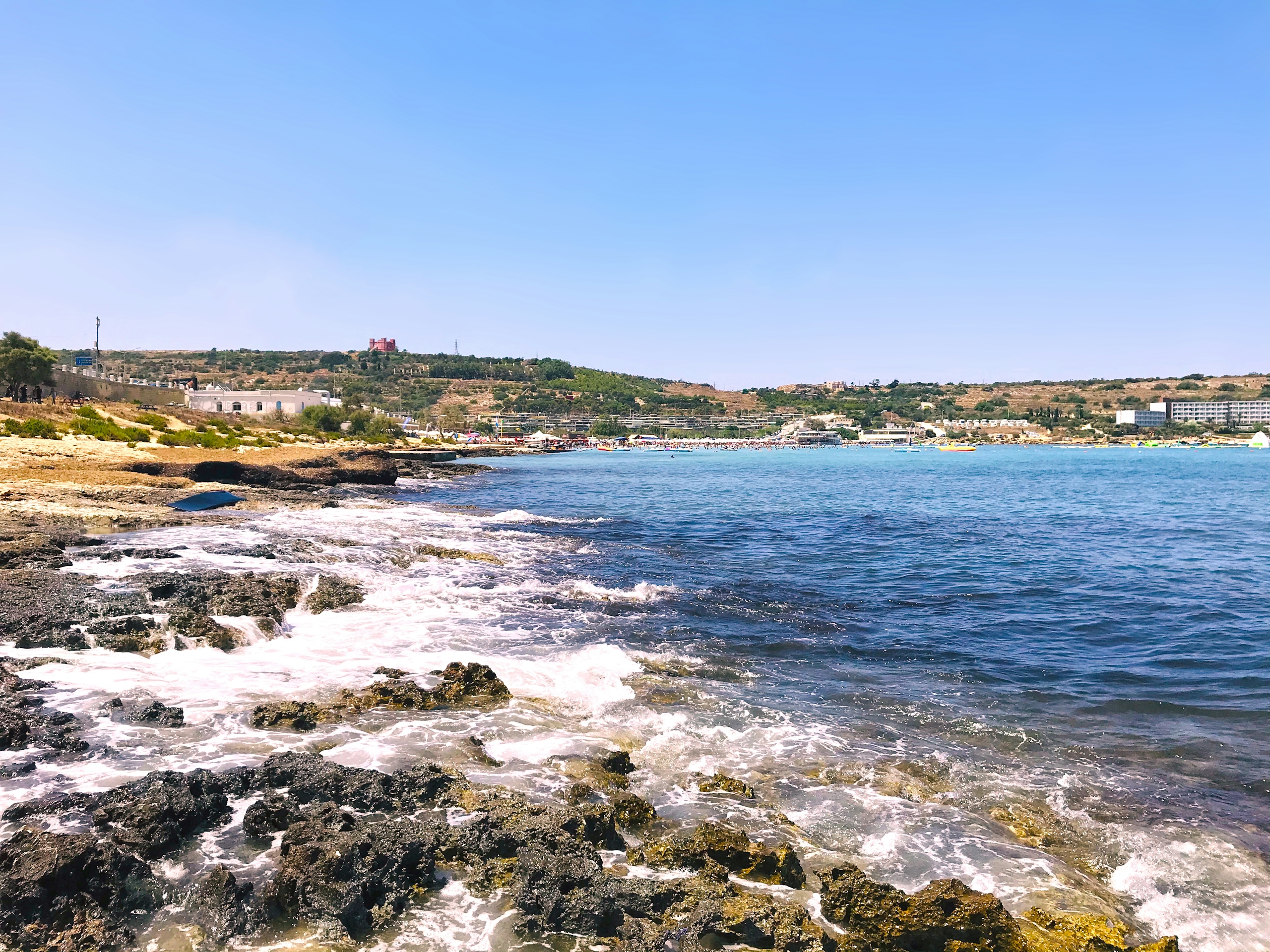
A large sandy beach on Malta, at the head of a long bay on the north coast. A popular choice for families with younger children: sandy entry, the facilities (beach cafés, loungers, pedalos) are well developed. Bus-accessible; easy with a car. A reliable all-rounder.
Golden Bay & Għajn Tuffieħa — the pair
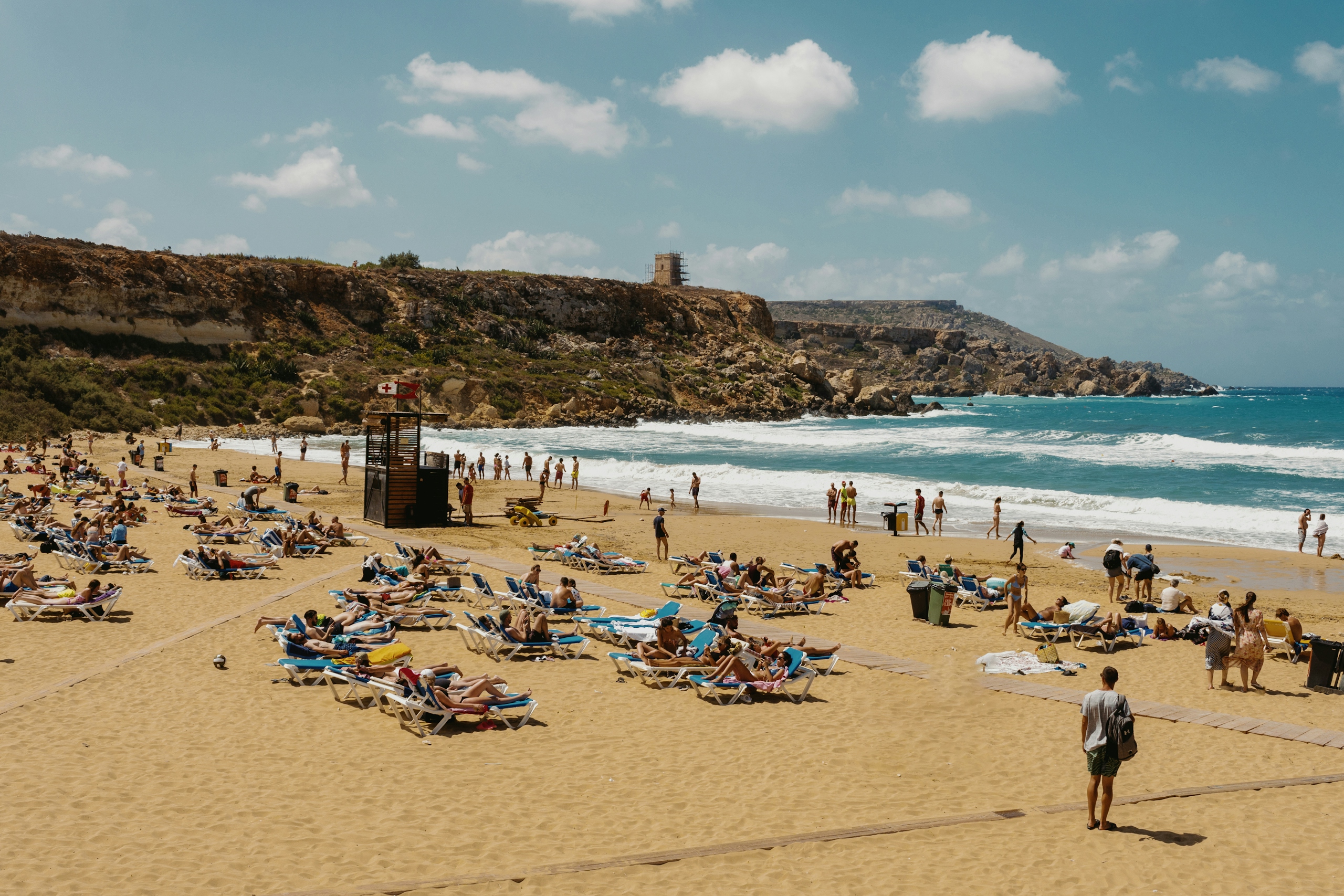
A short distance south of Mellieħa, a headland separates two of Malta’s loveliest bays. Golden Bay is the bigger, more developed of the two — sand, a large hotel above it, beach clubs, sunset views. Għajn Tuffieħa, accessed by a flight of stone steps, is quieter, smaller and more photogenic: a red-gold sand beach backed by terraced hillside, the closest Malta gets to an unspoiled beach. Go to Golden Bay with children, Għajn Tuffieħa without.
Blue Lagoon, Comino — the iconic one
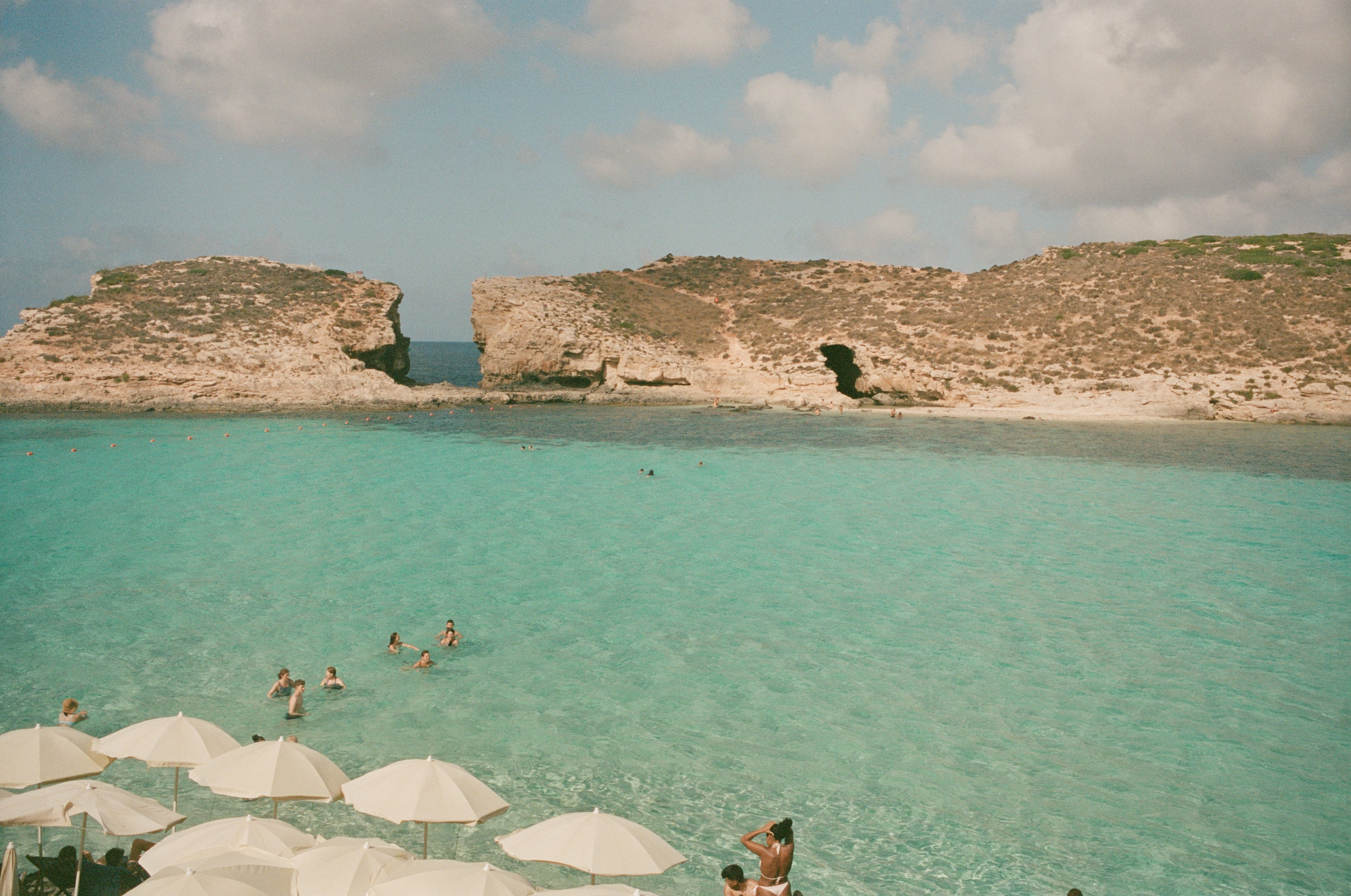
The Blue Lagoon, a narrow channel between Comino and the smaller islet of Cominotto, is the image most people have of Maltese water: impossibly turquoise, shallow, swimmable, and photogenic in any light. In summer it is busy — boats leave throughout the morning from Ċirkewwa, Sliema and St Paul’s Bay. Visit early in the day, stay on afterwards for a swim in the quieter coves around Comino, and head back in the late afternoon. See our Blue Lagoon guide.
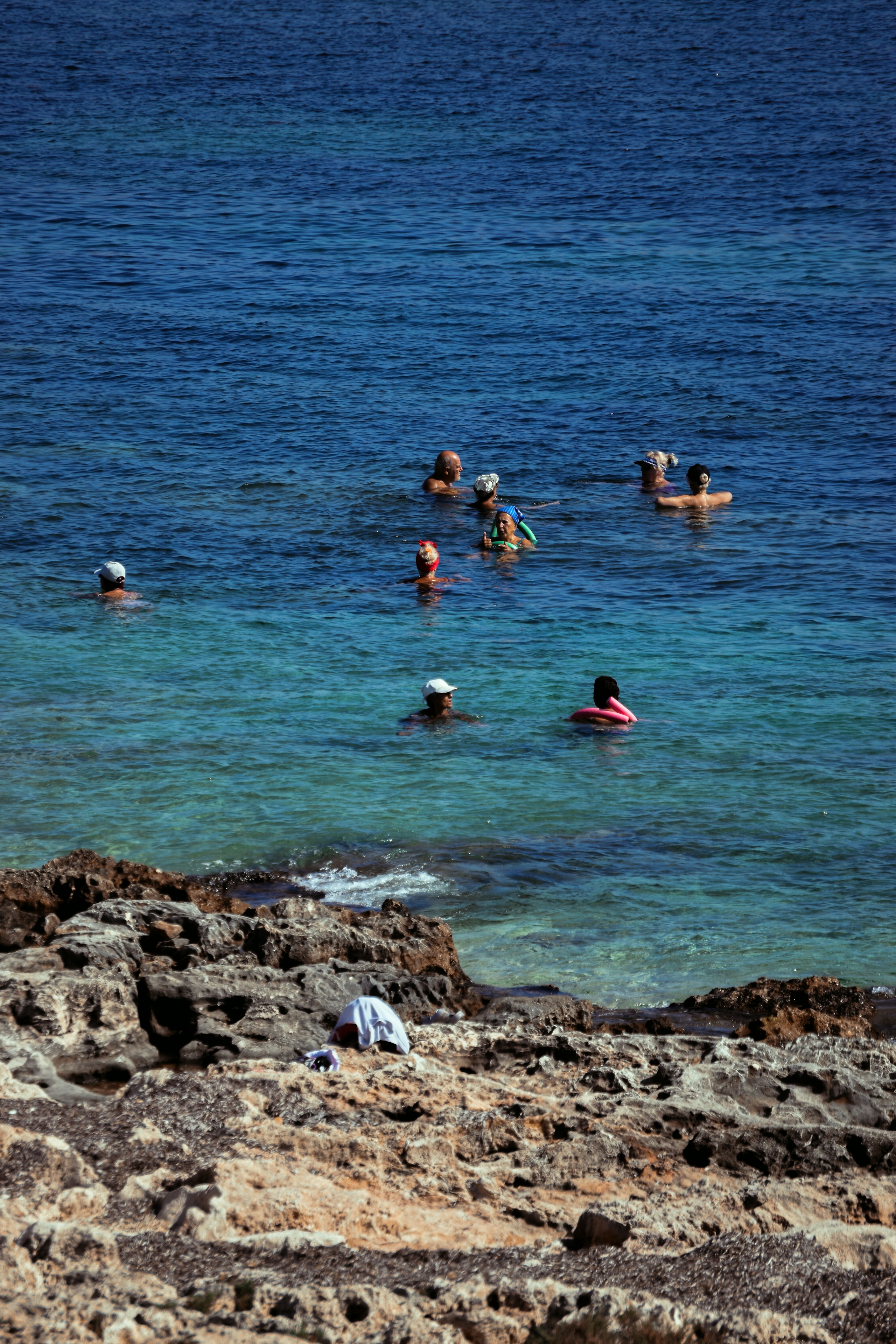
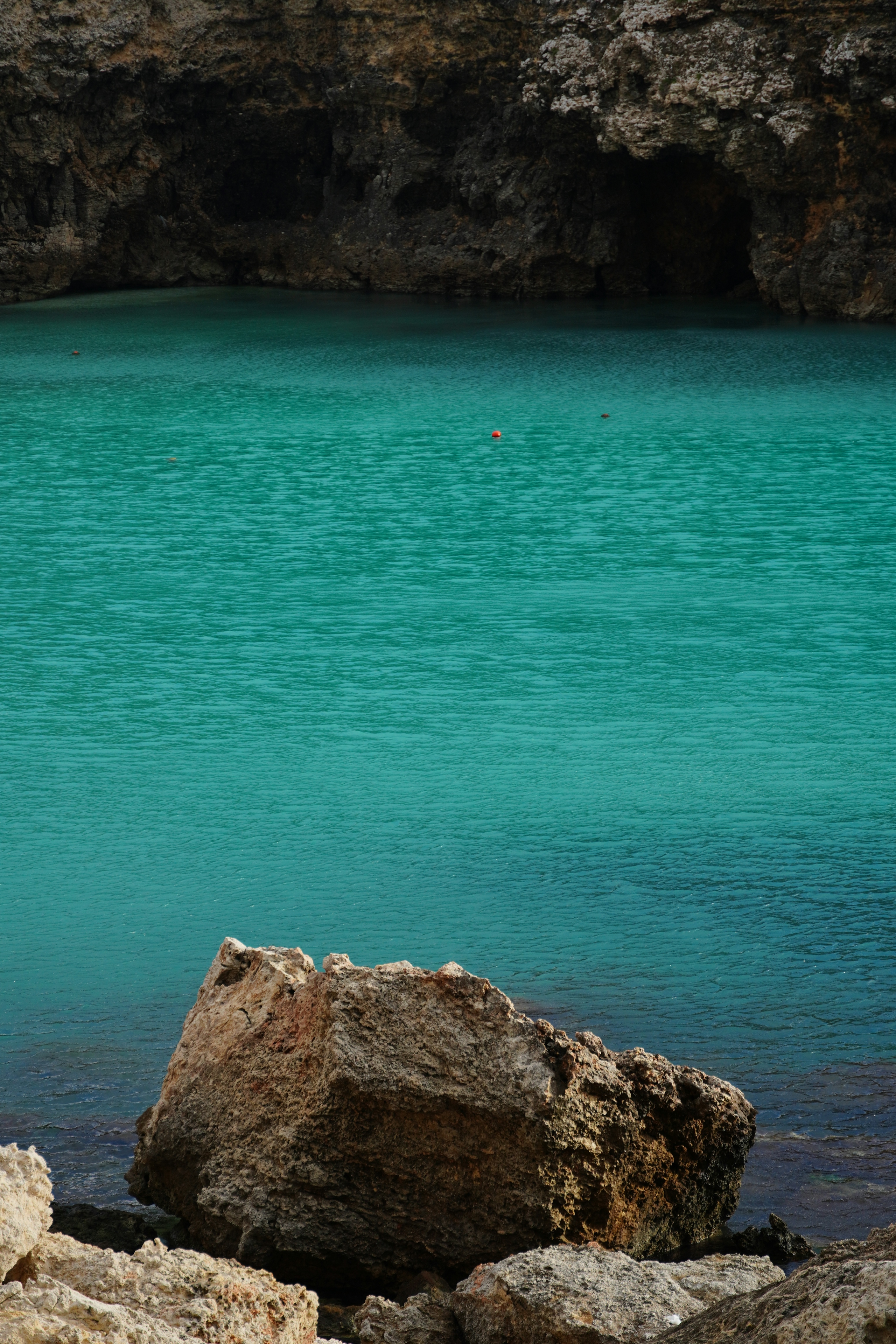
Much of Malta’s sand is clustered on the north coast. Much of its best swimming is on rock.
Ramla Bay, Gozo — the quieter sister
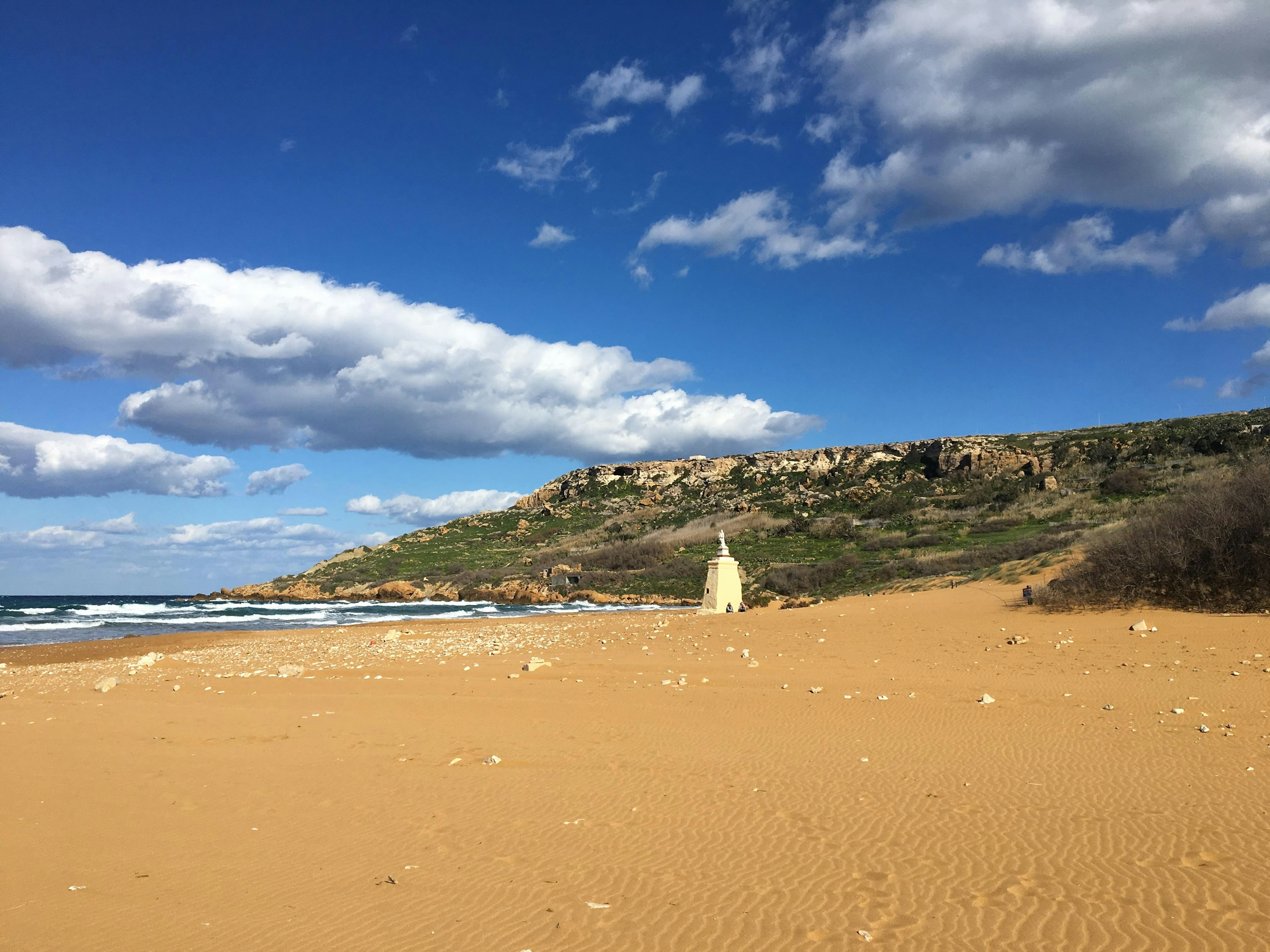
If you are staying on Gozo, or visiting for the day, Ramla Bay is Gozo’s great red-sand beach — quieter than Mellieħa, backed by dunes and farmland, and with a calm swimming bay. Legend places Calypso’s cave in the cliffs above. A small beach café keeps things simple. Much better in shoulder season than in peak summer.
The rocky coves — where the locals swim
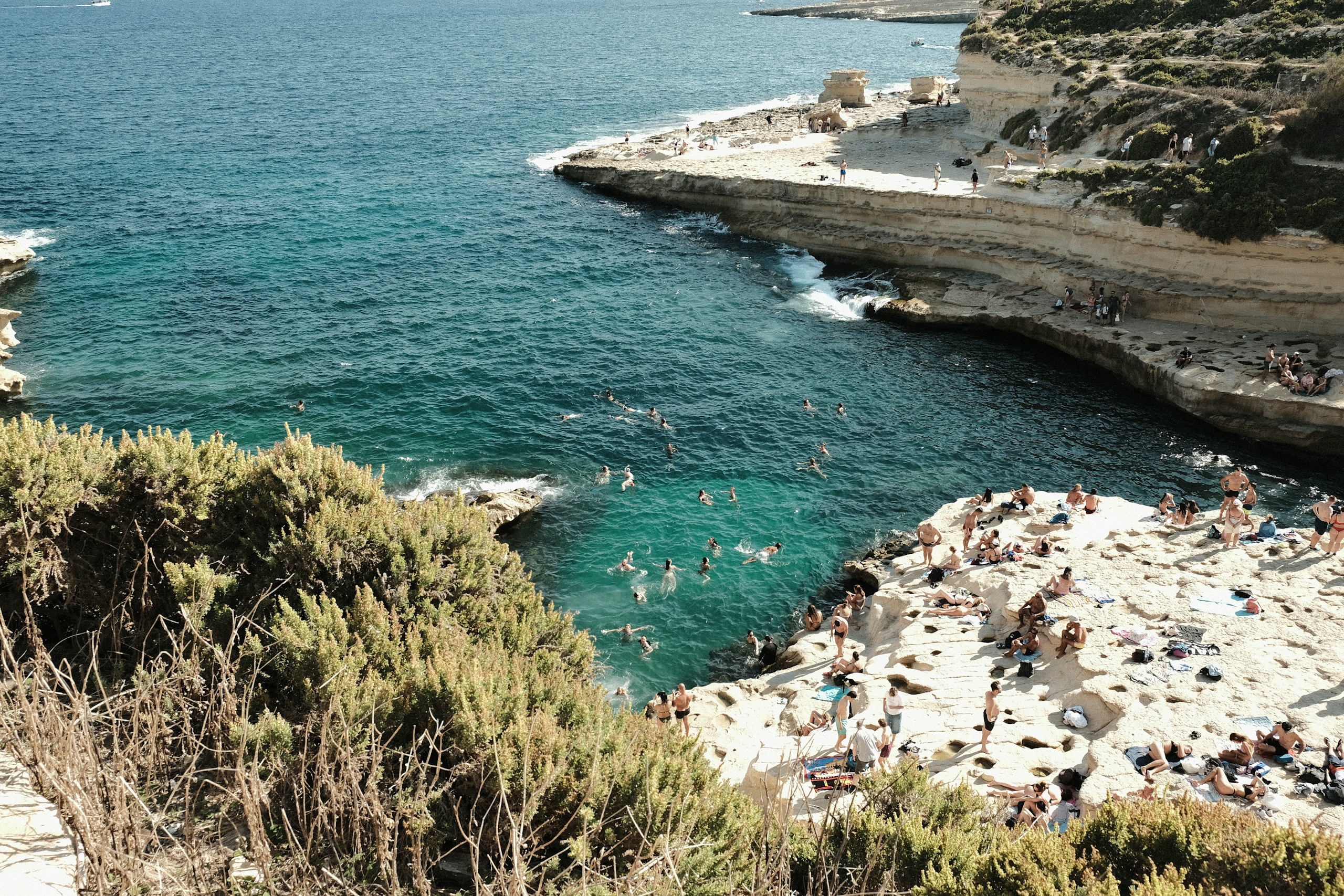
Maltese and Gozitan summers happen as much on rocky platforms as on sand. In and around Sliema, the Sliema Front and Exiles give you easy urban swimming with steps into deep water. Further south, Għar Lapsi and St Peter’s Pool (near Marsaxlokk) are beloved local cliff-swimming spots — bring a towel, sensible shoes and a sense of adventure. On Gozo, Xlendi, Wied il-Għasri and Dwejra are the three to know.
Practical notes
The sea is generally swimmable through the warmer months; it is at its warmest in late summer and holds into the autumn. A mask and snorkel are worth the hand-luggage space almost anywhere in Malta — visibility is frequently extraordinary. Most bays have some shade in the early morning or late afternoon; by midday in peak summer you will want an umbrella. Check current local guidance before you travel. Our Best Time to Visit guide has the full seasonal picture.
Frequently asked questions
Does Malta have sandy beaches?+
Yes — concentrated in the north of Malta (Mellieħa Bay, Golden Bay, Għajn Tuffieħa) and on Gozo (Ramla Bay). Much of the rest of the coast is rock, which makes for excellent swimming from platforms.
Is the Blue Lagoon worth visiting?+
The Blue Lagoon on Comino is rightly famous — one of the most photogenic swimming spots in the Mediterranean. It is busy in high season; go early or out of peak weeks.
Which beaches are best for children?+
Mellieħa Bay (Għadira) and Golden Bay are the two sandiest options, both on Malta’s north coast, with gentle entry. Ramla Bay on Gozo is another good family choice.