MALTA'S MAGNIFICENT CAPITAL
Valletta
Europe's smallest capital — a UNESCO World Heritage city built by knights, shaped by centuries
FOUNDED
1566
SIZE
0.55 km²
MONUMENTS
320+
UNESCO
Since 1980
VALLETTA, MALTA
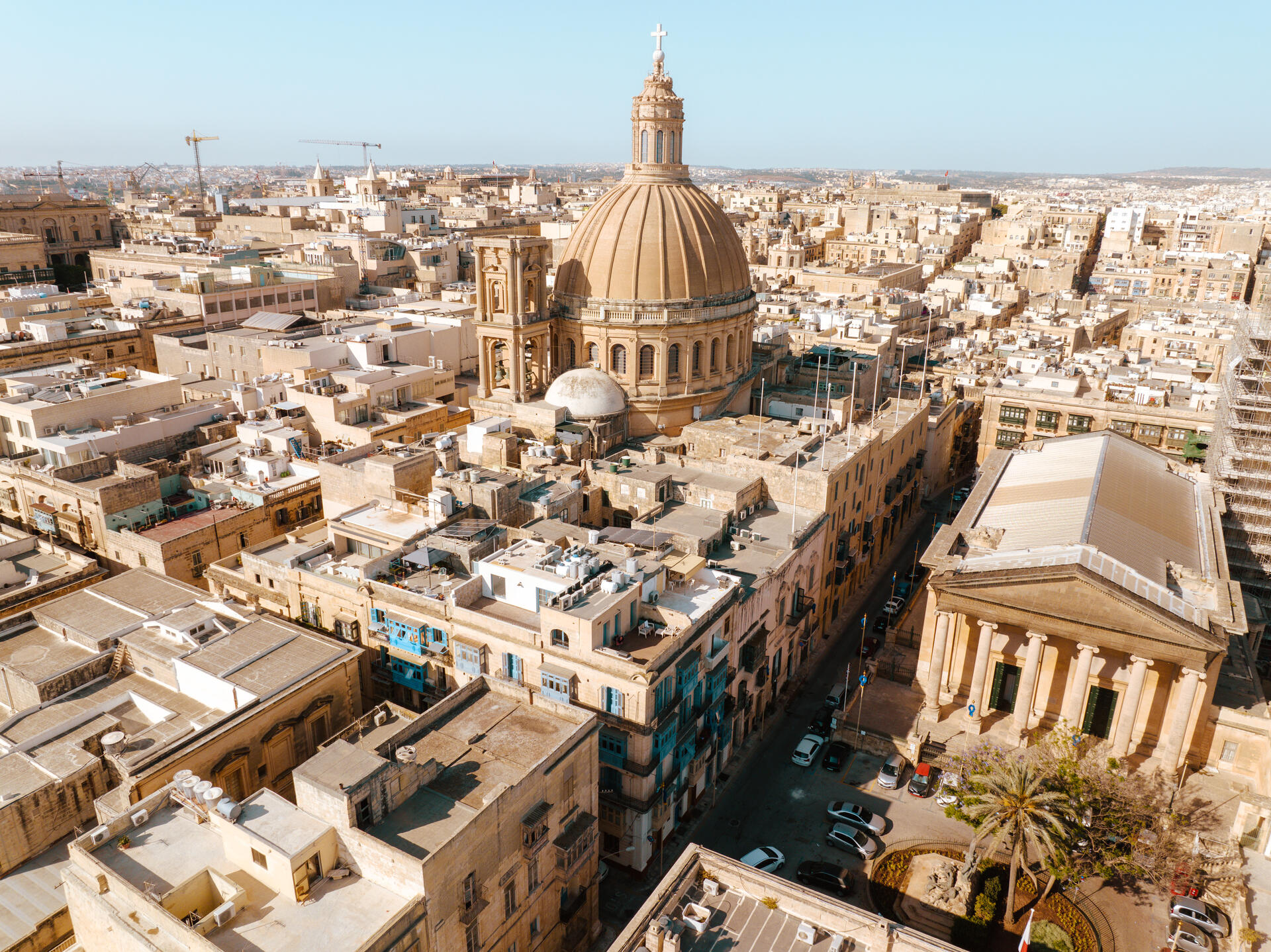
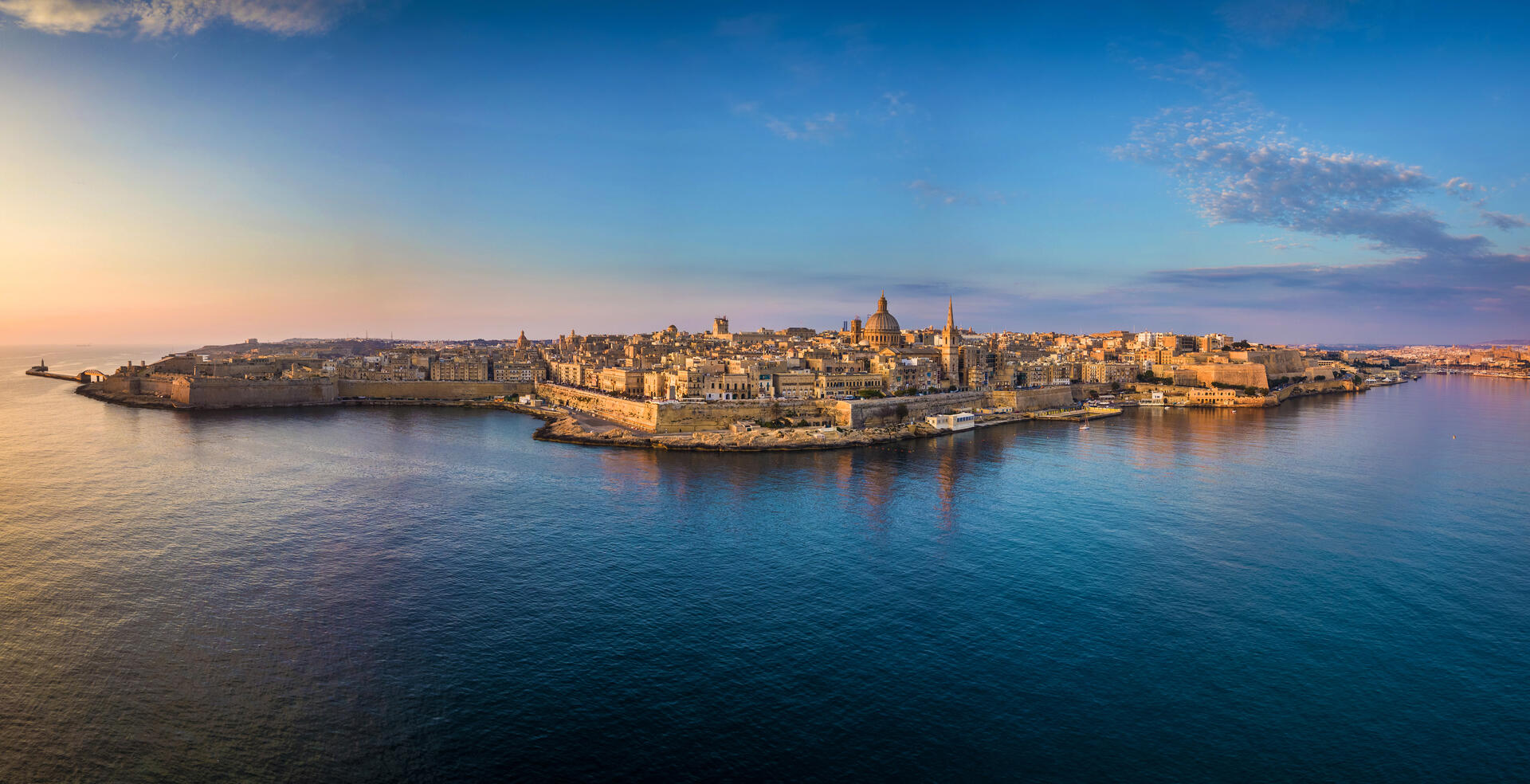
Valletta isn't merely a city; it's a densely packed, fortressed testament to human resilience, carved from golden limestone on a defiant peninsula. Founded in 1566 by the indefatigable Grand Master Jean de Valette in the aftermath of the brutal Great Siege, this minuscule 0.55 square kilometre fortress became the beating heart of the Knights of St John. Within its formidable bastions lie over 320 monuments, a staggering concentration that whispers tales of sieges, grandeur, and strategic brilliance. Declared a UNESCO World Heritage site in 1980 and European Capital of Culture in 2018, Valletta demands attention not as a museum piece, but as a living, breathing entity where every stone resonates with centuries of layered history. Walking its streets is to walk through layers of time itself.
What Makes Valletta Different
At the heart of this historical landscape stands St John's Co-Cathedral, a masterpiece of Baroque austerity built astonishingly quickly between 1573 and 1578. Its true power lies within the Oratory, where Caravaggio's two seminal masterpieces command the space. Stand precisely at the centre of the nave, your gaze drawn irresistibly to The Beheading of St John the Baptist — the only canvas Caravaggio ever signed, his raw, brutal realism impossible to ignore. Across the chapel, St Jerome Writing offers a moment of profound introspection beneath dramatic light. Don't miss the marble tombstone floor, a mosaic of 400 knights and officers, nor the priceless Gobelins tapestries adorning the nave walls. Arrive at 9:30am sharp; later crowds diminish the cathedral's intimate, almost overwhelming impact, and the €15 entry fee secures your place before the throngs descend.
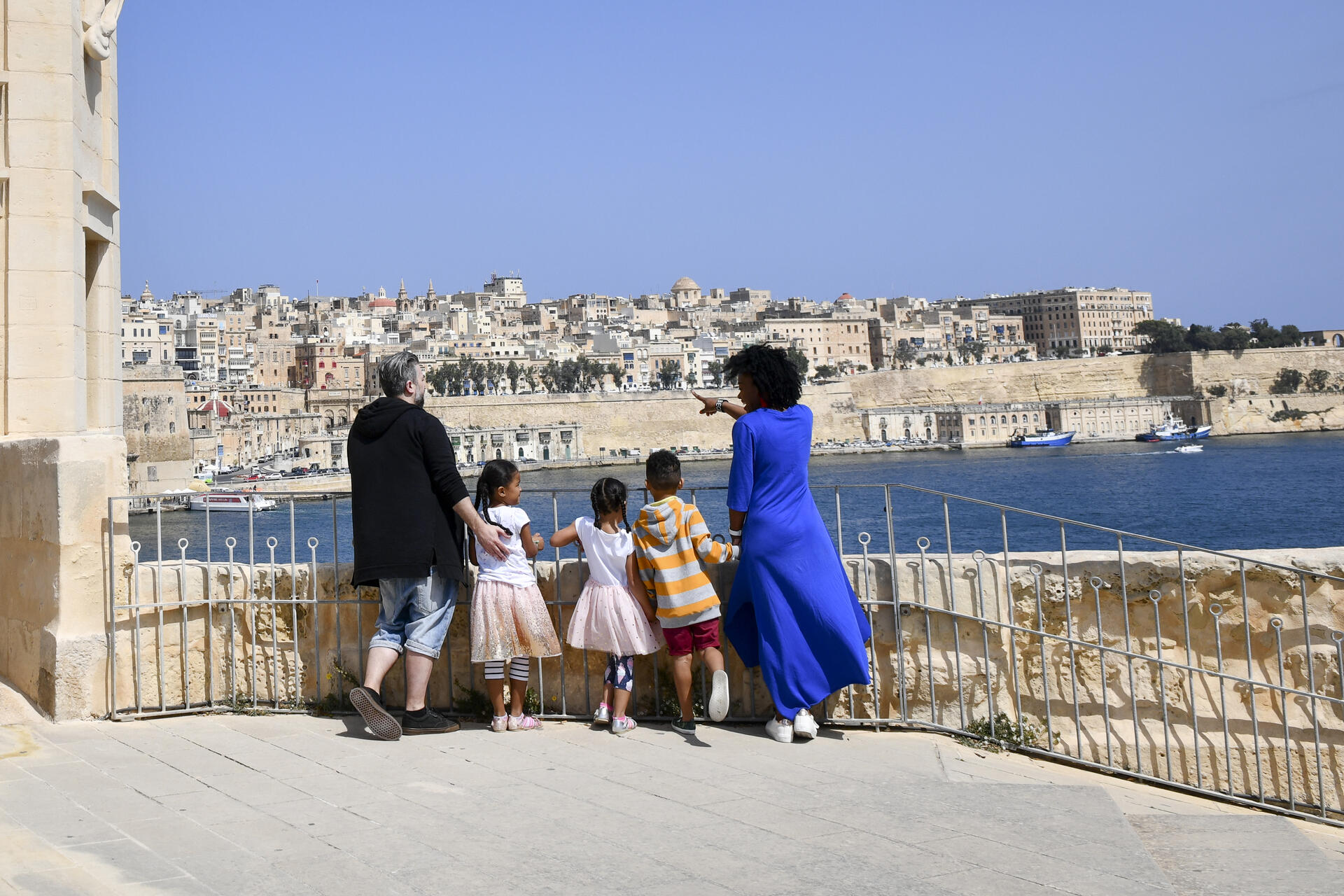
The Upper Barrakka Gardens offer the city's most potent emotional release, a free haven open from 7am until 10pm. Perched 60 metres above the Grand Harbour, the panoramic vista across the water to the Three Cities, a mere 1.8km distant, is genuinely humbling. Watch the noon cannon blast from the adjacent Saluting Battery for a €3 fee — a tradition echoing across the water for centuries. Descend to the Valletta Waterfront via the €1 lift, a simple journey that transitions you from elevated contemplation to bustling harbour life. This view doesn't just show you Valletta's strategic position; it makes you feel the weight of its maritime history, the scale of its defences, and the enduring beauty of its setting.
Walking its streets is to walk through layers of time itself — every stone resonates with centuries of history that no museum can replicate.
What to See in Valletta
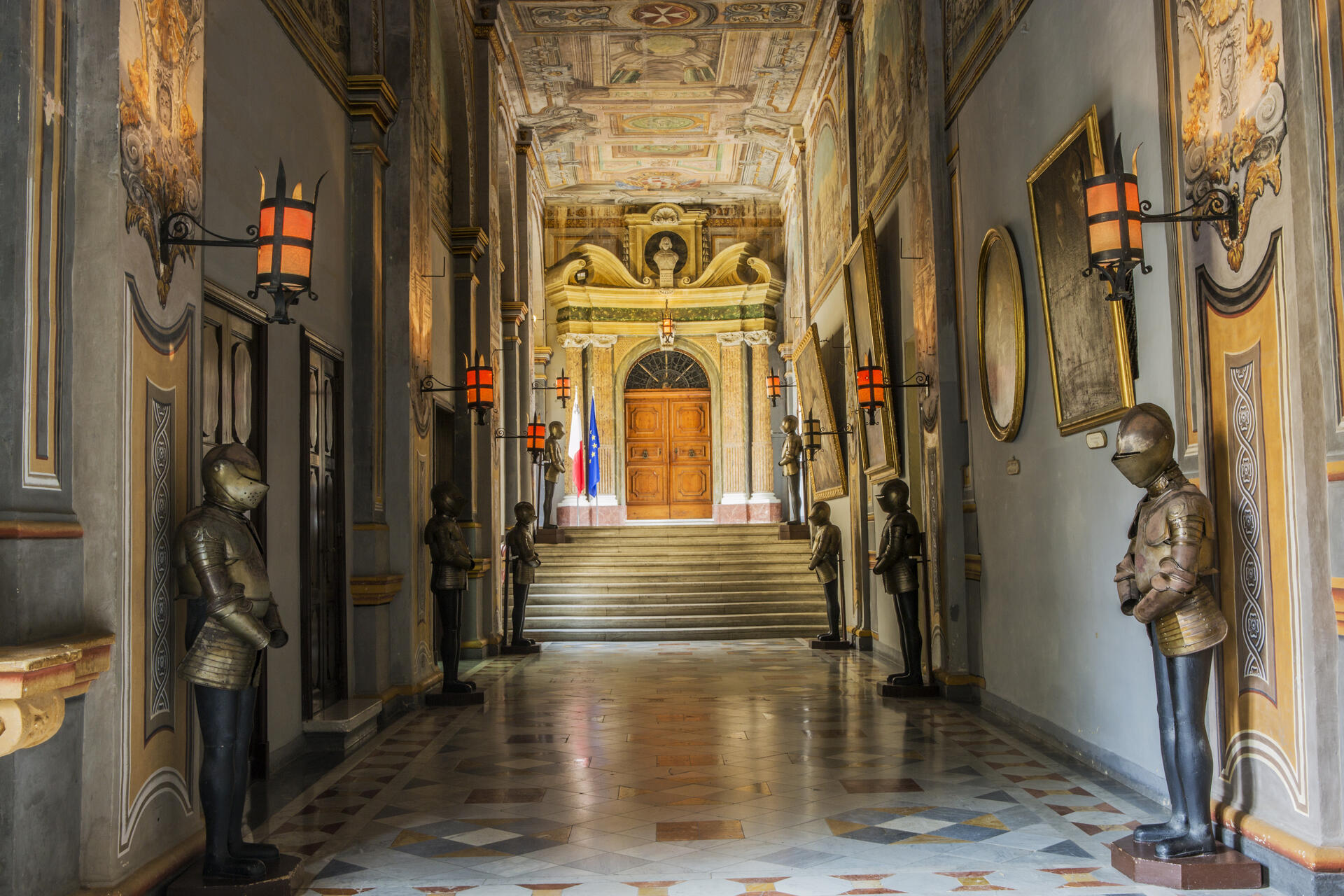
Republic Street, Valletta's 800-metre pedestrian spine stretching from City Gate to Fort St Elmo, pulses with life at different hours. Under the arcades of Caffè Cordina, a constant since 1837, you can sip a coffee observing the city's daily rhythm. The sheer scale of the Grandmaster's Palace dominates one entire city block, its imposing facade a reminder of the Knights' absolute power. Further along, the National Museum of Archaeology shelters the enigmatic Venus of Malta, a Neolithic fertility figure whose serene presence contrasts with the city's martial past. Morning offers a quieter stroll; afternoons buzz with visitors; evenings bring a different energy as lights illuminate the Baroque facades.
Strait Street, once notorious as Valletta's raucous sailors' quarter, has undergone a remarkable metamorphosis into the city's premier dining and bar strip. Its narrow lanes, once packed with bars offering cheap grog and fleeting companionship, now host sophisticated restaurants and intimate wine bars. This reinvention isn't superficial; it acknowledges a gritty past while embracing a sophisticated present, making it a microcosm of Valletta's evolution. To truly understand its transformation, join an evening food tour (€45–65, lasting three hours), guiding you through its layered history while sampling contemporary Maltese cuisine. It's a journey from shadow to spotlight, essential for grasping the city's dual character.
The Renzo Piano-designed City Gate, opened in 2015, remains a point of contention, yet its execution defies the early scepticism. Replacing the ponderous old gate, Piano's design is audacious in its simplicity: exposed limestone walls frame an open-air parliament building and a stark, modern entrance. The controversy stemmed partly from breaking with Valletta's uniform Baroque aesthetic, yet the exposed stone actually complements the city's golden hues. The open parliament, visible from the street, symbolises transparency in a city historically defined by secrecy. While initially divisive, the design now feels integrated — a bold, confident statement that enhances rather than diminishes the historic core it serves.
Getting to Valletta
From the Airport
Malta International Airport is 8 kilometres south — 15 minutes by road, or approximately 30 minutes on Airport Express bus X4 (€2, every 30 minutes). Taxis from the official rank charge approximately £18–22. KM Malta Airlines operates direct flights from London Heathrow and London Gatwick, flight time approximately 3 hours.
From Sliema & St Julian's
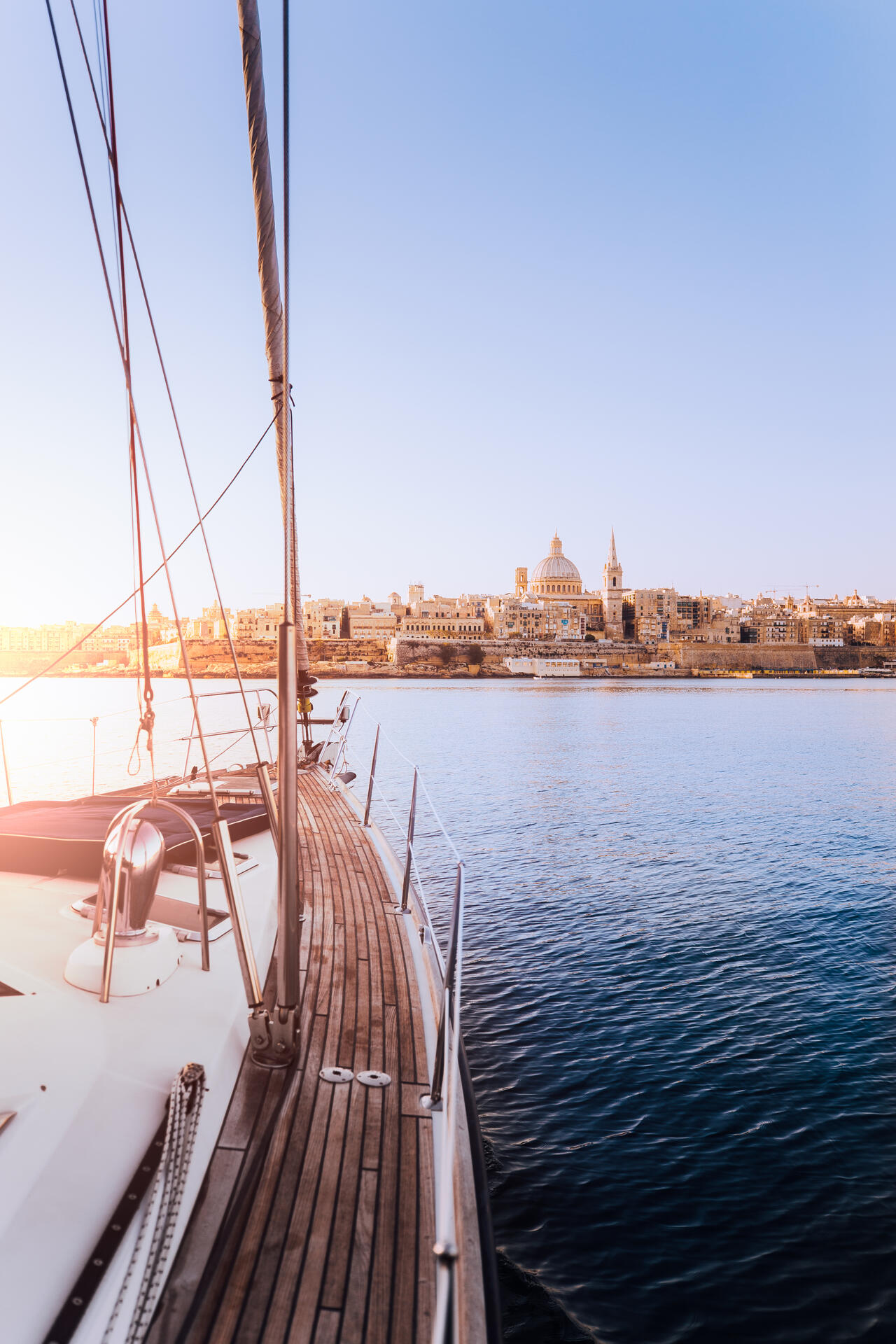
The Sliema ferry crosses to Valletta Waterfront in 15 minutes, every 30 minutes, €2.50 each way — the most enjoyable approach to the city. Bus routes 12 and 13 from St Julian's take 25–30 minutes for €2.
The Three Cities
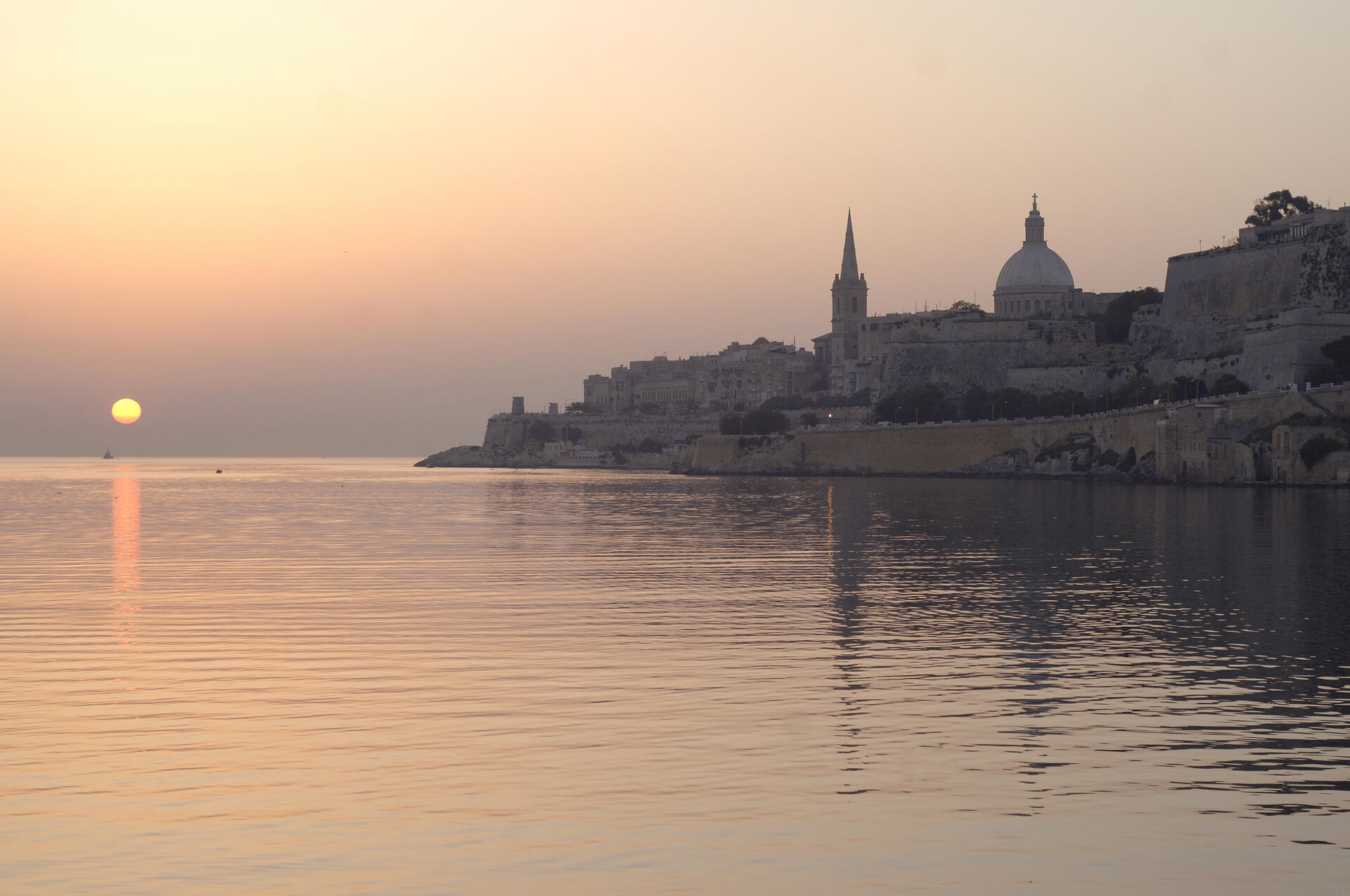
The €2.50 ferry ride from the Valletta Waterfront, departing every 30 minutes, offers the only perspective that truly reveals Valletta's grandeur — from the water. The 15-minute crossing to Birgu gives an unparalleled view of the fortifications rising sheer from the harbour, a sight impossible to appreciate from land. Once across, explore Fort St Angelo (€10), a formidable bastion with layers of history from the Knights to the British. Nearby, the Inquisitor's Palace (€5) stands alone in Europe, a chillingly preserved glimpse into the machinery of religious persecution — the only surviving Inquisitor's Palace on the continent. This ferry trip isn't just transport; it's an essential pilgrimage to understand Valletta's relationship with the sea that shaped it.
MALTA AIRPORT
8km · ~15 mins
SLIEMA FERRY
15 min crossing · €2.50
ST JULIAN'S
~25 mins by bus
THREE CITIES
10 mins by water taxi
NEAREST BEACH
St George's Bay · 6km
ENTRY
Free (city) · €5–15 attractions
Where to Stay in Valletta
Valletta's hotel stock has transformed in the past decade, with historic palazzos converted into accommodation that no other European capital can quite replicate. Hotel Phoenicia Malta (5-star, from £180 per night) remains the only property in Valletta with a full-size pool, positioned immediately outside City Gate in four acres of gardens — the most straightforward answer for anyone who wants five-star infrastructure without compromise. Hotel Rosselli (5-star, from £220 per night) occupies a 17th-century palazzo on a quiet street, with the Under Grain restaurant in the vaulted cellars below — the right choice for a stay built around food. Casa Ellul (boutique, from £150 per night) offers 7 rooms, a rooftop terrace, and a Republic Street address — the most intimate option at the luxury end of the market.
For more space at comparable prices, Valletta's converted palazzo apartments deliver architecture that no modern-build hotel can replicate. Palazzo Valletta Suites, Palazzo Bifora, Palazzo Capua, and Palazzo Violetta offer self-contained apartments in historic buildings at £120–200 per night, with the kind of high-ceilinged, stone-walled rooms that justify the word palazzo. The Ursulino Valletta occupies a convent dating from 1596, its former chapel now used as a common room — a detail that says more about Valletta's density of history than any guidebook summary could. For a comprehensive view of Valletta hotel options across all price points, see our full Valletta hotels guide. Guests preferring to base themselves in St Julian's, 3.2 kilometres from the Sliema ferry and 35 minutes from central Valletta, will find the Hilton Malta at Portomaso Marina the strongest option for pool and spa infrastructure.
Timing your visit is crucial. April–May and October–November offer the most rewarding conditions, with temperatures averaging 18–24°C and manageable visitor numbers. July and August see oppressive heat reaching 32–35°C alongside the largest crowds, while winter from December to February brings mild temperatures of 14–18°C and far quieter streets — the right season for anyone who prefers a city to themselves. Valletta is compact, just 600 metres across at its widest, making exploration entirely on foot not just possible but preferable. Pack comfortable shoes — the uneven limestone paving demands it. Eat like a local: grab flaky pastizzi for 50 cents from the bus terminus bakeries, sample artisan ftira at Nenu the Artisan Baker on Old Bakery Street, and savour hearty rabbit stew at Rubino on Old Theatre Street, a fixture since 1906. This city rewards slow immersion, step by deliberate step.
Frequently Asked Questions — Valletta Malta
Frequently Asked Questions
Is Valletta worth visiting?
Valletta is one of the most historically concentrated cities in Europe, with over 320 monuments packed into 0.55 square kilometres — a density no other EU capital comes close to matching. The city contains two original Caravaggios, a Baroque cathedral built in five years, a Grandmaster's Palace that occupied an entire city block for 268 years, and a harbour view that shaped the course of Mediterranean history. Entry to the city itself is free; the main attractions range from €5 (National Museum of Archaeology) to €15 (St John's Co-Cathedral). A single full day covers the principal sights; two days allows you to cross to the Three Cities by ferry and return via the Grand Harbour at dusk.
How far is Valletta from the airport?
Malta International Airport is 8 kilometres south of Valletta, approximately 15 minutes by road. The Airport Express bus X4 runs directly to the City Gate bus terminus every 30 minutes for €2, taking approximately 30 minutes including stops. Taxis from the official airport rank charge approximately €18–22 for the journey. There is no rail connection between the airport and Valletta — the Malta railway was closed in 1931 and never replaced. Arriving by taxi or bus puts you directly at City Gate, the main entrance to the pedestrianised city centre.
What is the best time to visit Valletta?
April and May, and October and November, are the most rewarding months for Valletta. Temperatures range from 18–24°C, outdoor café dining is comfortable from morning to evening, the Upper Barrakka Gardens are at their most pleasant, and visitor numbers are significantly lower than peak summer. July and August bring temperatures of 32–35°C and the highest concentration of visitors, which makes St John's Co-Cathedral and the Grandmaster's Palace noticeably crowded by mid-morning. Winter — December through February — offers temperatures of 14–18°C, which is mild enough for walking the entire city without overheating, and the Grand Harbour views are often clearest in the low winter light.
Is Valletta good for families?
Valletta is an excellent base for families with children aged seven and older who have some tolerance for history and walking. The city itself is entirely pedestrianised, which eliminates traffic concerns, and the scale — 600 metres across at its widest — means no day becomes an exhausting march. The Upper Barrakka Gardens noon cannon at 13:00 (€3) tends to delight children, and the ferry crossing to the Three Cities at €2.50 return provides a short, dramatic harbour trip. Fort St Elmo at the tip of the peninsula houses the National War Museum, which is accessible and engaging for older children. Families with young children should note that the limestone streets are uneven and pushchairs are difficult; a carrier or backpack is more practical.
How do I get to Valletta from the UK?
KM Malta Airlines operates direct flights from London Heathrow and London Gatwick to Malta International Airport, with a flight time of approximately 3 hours. The airline holds APEX Four Star Major Airline status for 2026. From Malta International Airport, the city is 8 kilometres north — 15 minutes by taxi (approximately £18–22) or 30 minutes on the Airport Express bus X4 for €2. VisitMalta.co.uk packages combining KM Malta Airlines flights with Valletta hotels are ATOL-protected and can be booked as a single transaction. The best value months for UK visitors are November through March, when both flights and Valletta hotel rates are at their lowest.
FLY DIRECT FROM LONDON
Visit Valletta with KM Malta Airlines
KM Malta Airlines flies direct to Malta from London Heathrow and London Gatwick, approximately 3 hours. As the APEX Four Star Major Airline 2026, KM Malta Airlines operates the primary UK–Malta route. VisitMalta.co.uk packages are ATOL-protected.
Best months for Valletta: April–May and October–November, 18–24°C. Winter (December–February) 14–18°C — mild enough for outdoor café dining, far fewer crowds.
Search Malta Holiday Packages