In partnership with KM Malta Airlines — APEX Four Star Major Airline 2026
Marsaxlokk Malta luzzu fishing boats colourful
Region — Marsaxlokk

A village of painted fishing boats, a Sunday market, and the best fish lunch in Malta.

Marsaxlokk — luzzu boats, the Sunday fish market, St Peter's Pool around the headland and a quayside lined with the right kind of restaurant.

Marsaxlokk is Malta's most picturesque fishing village, famous for its colourful luzzu boats featuring the Eye of Osiris and its bustling Sunday fish market. Located in the southeast, this authentic harbour village offers Malta's freshest seafood at waterfront restaurants. The daily market operates 6am-1pm with Sunday being the largest. Allow 2-3 hours for exploration, with longer stays for swimming at nearby St Peter's Pool. Free entry; bus 81 from Valletta takes 35 minutes.

Marsaxlokk presents Malta's maritime heritage in its most photogenic form, a working fishing village where colourful traditional boats fill the harbour and restaurants serve catches landed just metres from dining tables. The village name derives from the Arabic for "port of the southeast wind," reflecting both its geographic position and the long history of human settlement around this natural harbour. Visitors on Malta holidays consistently rate Marsaxlokk among their favourite discoveries, finding authentic atmosphere increasingly rare in Mediterranean tourist destinations.

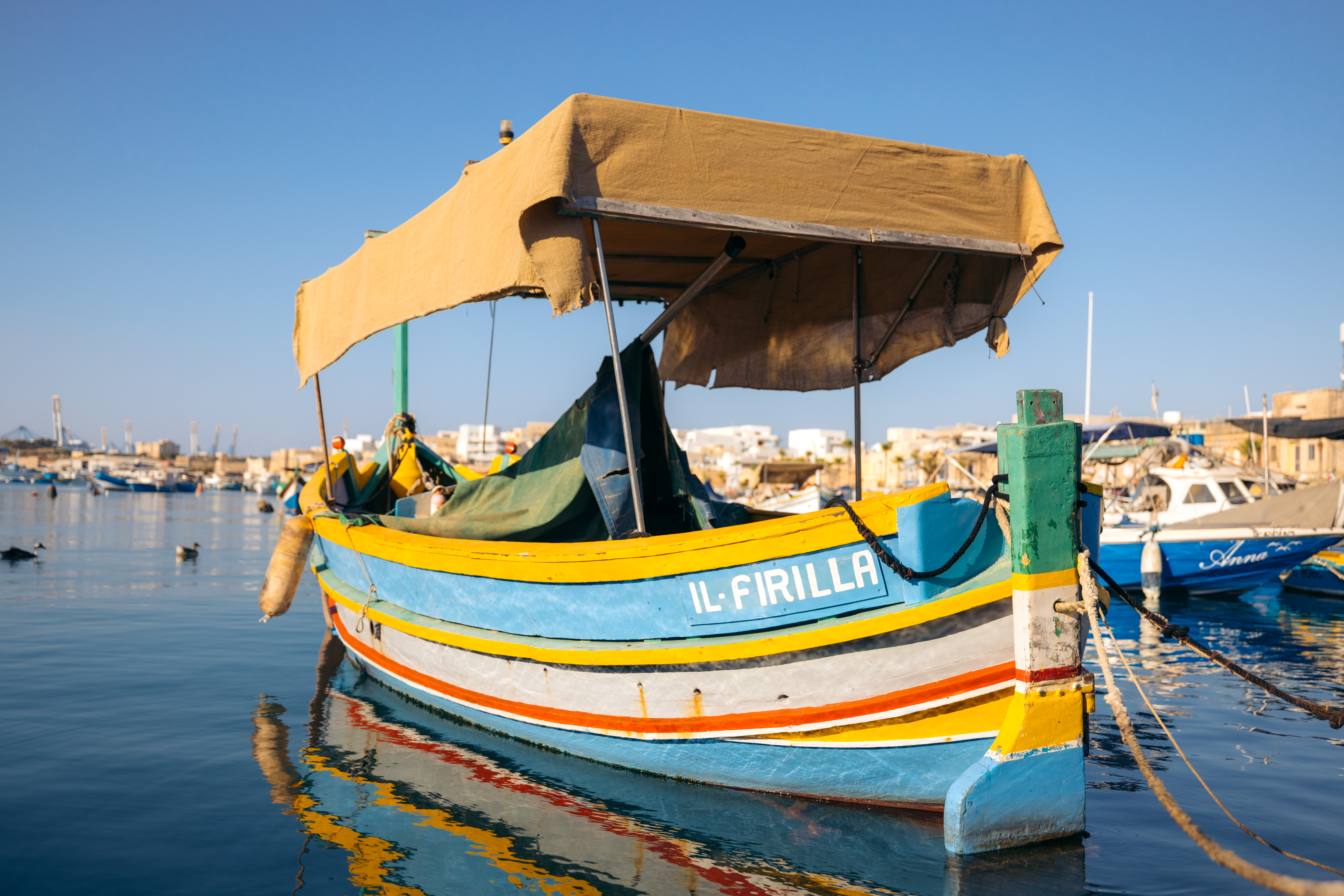
The luzzu boats that define Marsaxlokk's character trace their design back centuries, possibly to Phoenician origins. Each vessel features the distinctive Eye of Osiris painted on the prow, a superstitious tradition believed to protect fishermen from evil spirits at sea. The vibrant colour schemes—typically combinations of red, green, yellow, and blue—create the instantly recognisable scenes that fill postcards and travel photography throughout Malta. Despite tourism's growth, Marsaxlokk remains a genuine working harbour where fishing traditions continue alongside restaurant service.

What Makes Marsaxlokk Special?

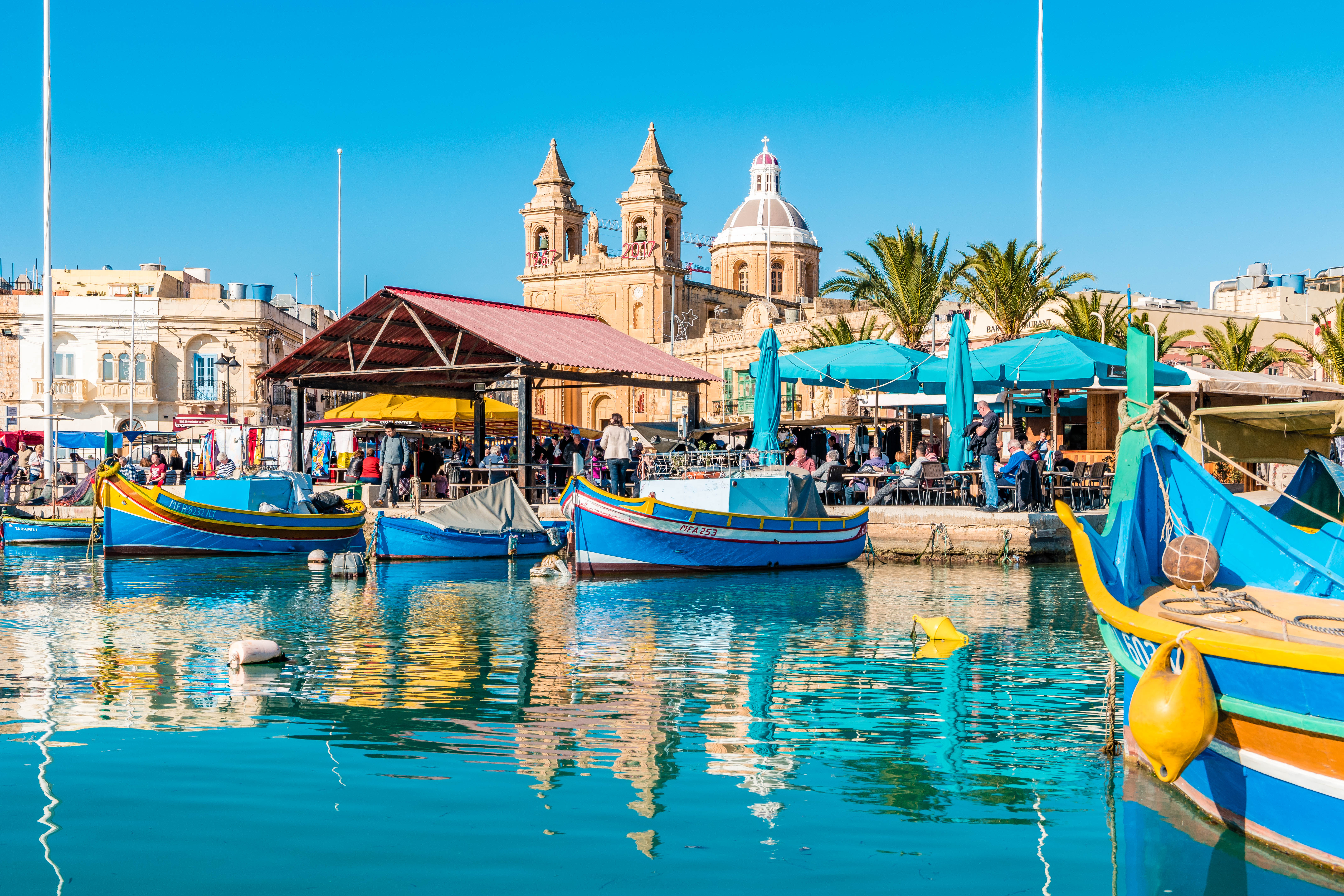
The Sunday fish market transforms Marsaxlokk's waterfront into Malta's most vibrant outdoor spectacle, when stalls extend along the harbour selling fresh catches alongside local produce, souvenirs, and traditional crafts. Activity begins early, with serious fish buyers arriving at 6am when selection peaks and prices prove most negotiable. By mid-morning the atmosphere shifts from commerce to leisure, with visitors browsing, photographing, and settling at restaurants for what many consider Malta's finest seafood dining.

The quality of seafood in Marsaxlokk genuinely surpasses anywhere else in Malta, with restaurants receiving deliveries directly from boats visible from dining terraces. The lampuki (dorado) season from September to November brings particular excitement, when this prized fish appears on every menu. Year-round offerings include fresh fish simply grilled, traditional fish soup, and elaborate seafood platters designed for sharing. The combination of quality, setting, and authenticity creates dining experiences impossible to replicate elsewhere.

Beyond the market and restaurants, Marsaxlokk offers access to some of Malta's finest natural swimming spots. St Peter's Pool, a few kilometres from the village, provides dramatic cliff swimming in crystal-clear waters, while Delimara Point and surrounding coastline reward exploration with secluded spots away from tourist crowds. The village's southeastern location also places it near Malta's best diving sites, with several operators offering boat trips to local reefs and wrecks.

Top Things to See and Do in Marsaxlokk

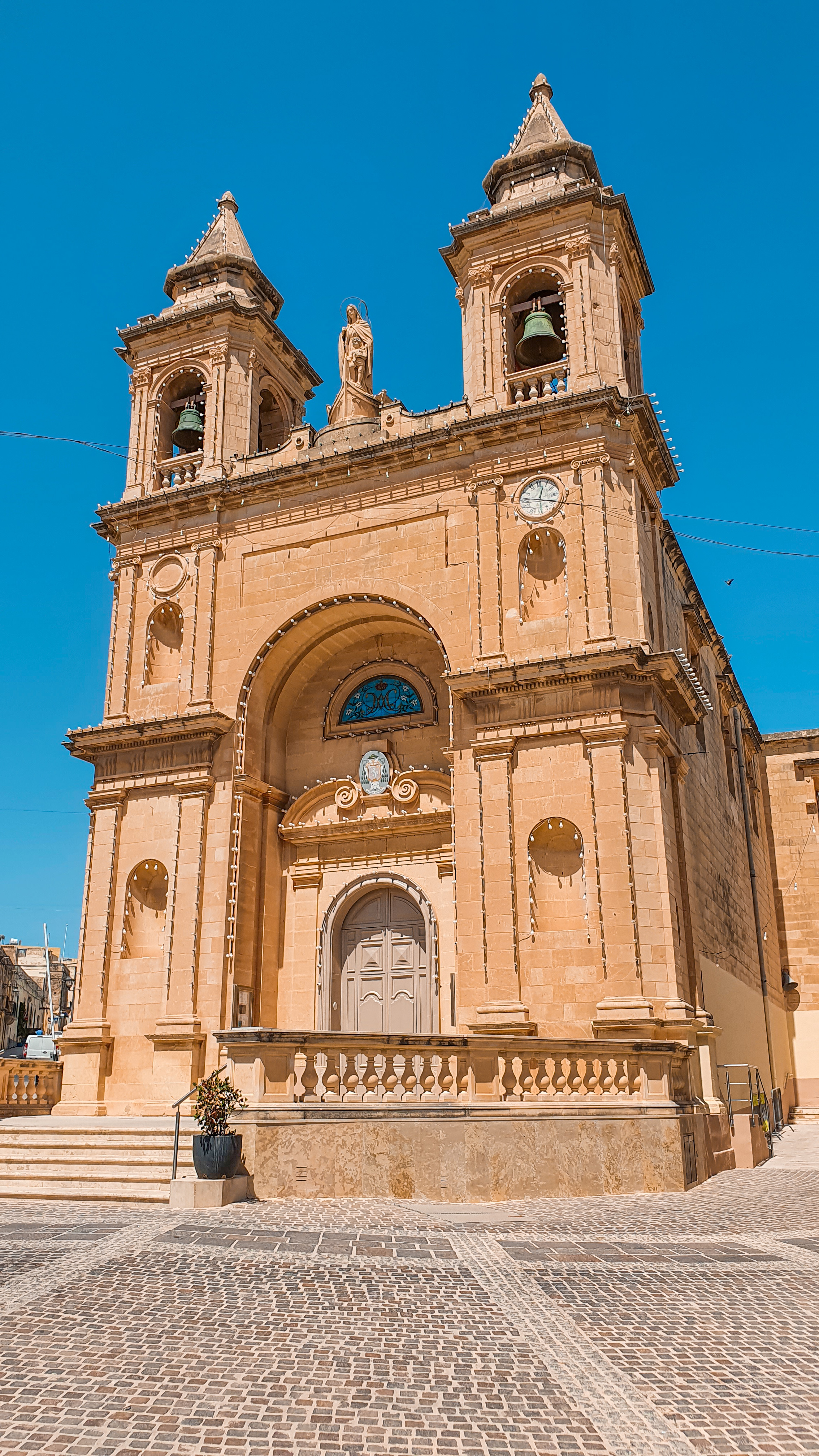
Photographing the luzzu boats requires no instruction—the colourful vessels create perfect compositions from virtually any angle around the harbour. Early morning offers the softest light and smallest crowds, while late afternoon creates golden hour conditions as fishermen return with catches. The parish church of Our Lady of Pompei provides an attractive backdrop for boat photography, while walking the harbour's full length reveals constantly changing perspectives on Malta's most iconic maritime scene.

The daily fish market operates throughout the week, though Sunday remains the essential experience. Weekday mornings find fewer tourists competing with local shoppers, creating more authentic interactions and better photography opportunities. Fish varieties change seasonally, with knowledgeable vendors happy to explain catches and suggest preparation methods. Even visitors without cooking facilities find the market fascinating, observing transactions and marvelling at the Mediterranean's bounty.

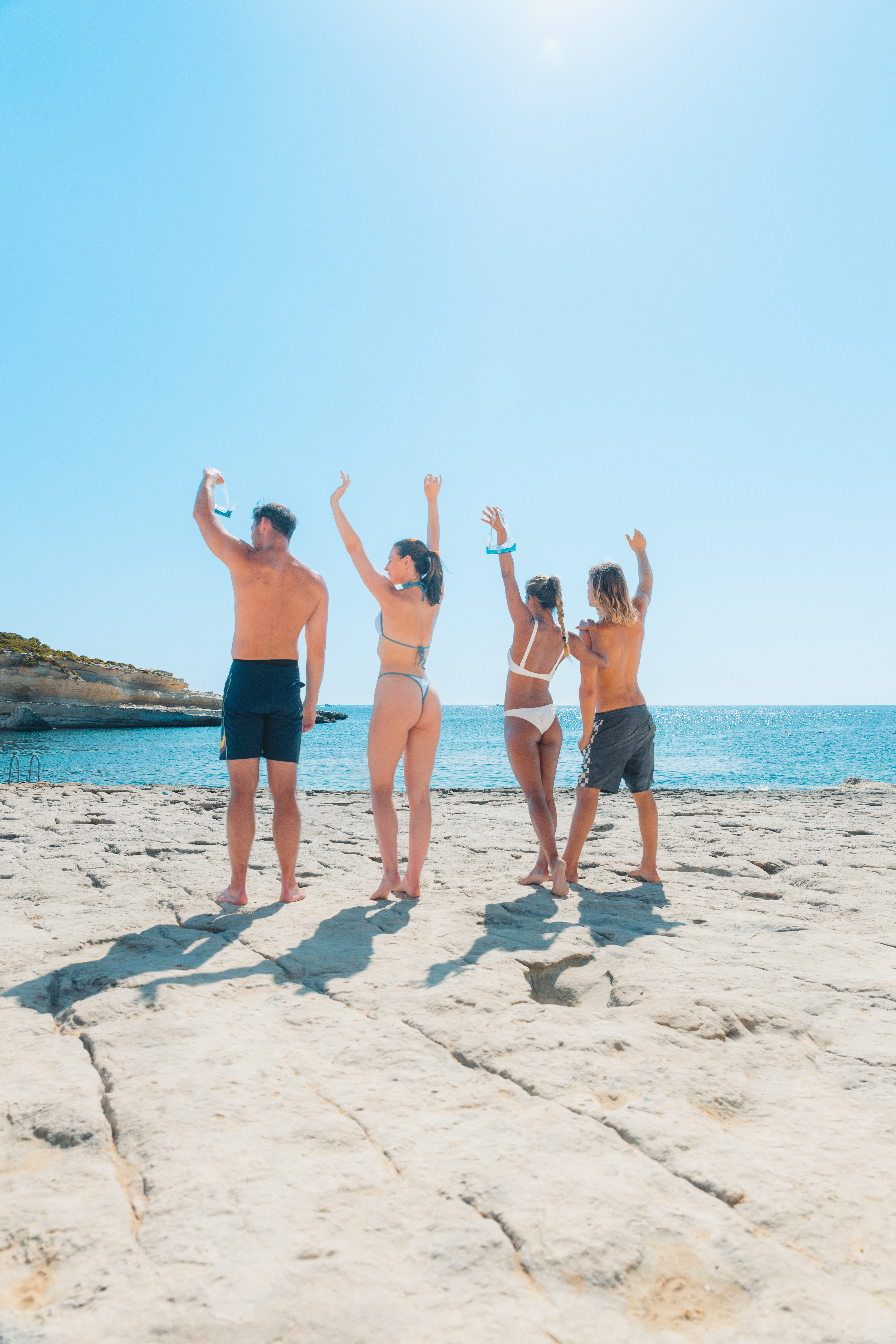
St Peter's Pool provides Marsaxlokk's swimming highlight, a natural rock pool formation offering ladder access to deep, exceptionally clear water. The 20-minute walk from the village passes through increasingly rural landscape before reaching the dramatic coastal formation. Facilities remain minimal—no shade, no vendors, no lifeguards—creating a wild swimming experience suited to confident swimmers seeking natural beauty over convenience. Bring water, sun protection, and appropriate footwear for the rocky terrain.

Fort St Lucian, visible across the bay, dates from the Knights of St John period though remains closed to visitors. The coastal walk toward Delimara Peninsula passes power station infrastructure before reaching more attractive swimming spots and coastal scenery. Boat trips departing Marsaxlokk visit nearby diving sites, the Blue Grotto area, and occasionally Comino, providing alternative perspectives on Malta's southeastern coastline.

Where to Eat in Marsaxlokk — Best Restaurants

Marsaxlokk's waterfront restaurants offer Malta's finest seafood dining, where fish travels metres from boat to plate and views across the colourful harbour accompany every meal. Competition among establishments maintains quality, though prices reflect the premium location and fresh-caught ingredients. Lunch proves more accessible than dinner, when romantic atmosphere drives up demand and prices accordingly.

Tartarun Fish Restaurant leads Marsaxlokk's dining scene with contemporary preparations of traditional Maltese seafood, earning consistent praise for both quality and presentation. The terrace directly overlooks the harbour, with service standards exceeding expectations for a fishing village setting. Ir-Rizzu offers similar quality in a slightly more casual atmosphere, while La Reggia provides excellent value for those seeking fresh fish without fine dining formality.

For casual dining, the row of restaurants along the main waterfront provides numerous options serving grilled fish, pasta dishes, and Maltese specialties at more accessible prices. Fish soup (aljotta) appears on virtually every menu and represents the quintessential Marsaxlokk dish, combining the day's catch with tomatoes, garlic, and traditional flavourings. Sunday market visitors often grab pastizzi from vendors before settling at restaurants for more substantial meals.

Where to Stay near Marsaxlokk

Accommodation in Marsaxlokk itself remains extremely limited, with no major hotels within the village core. A handful of guesthouses and apartment rentals serve visitors seeking overnight immersion in the fishing village atmosphere, but capacity constraints make advance booking essential. Staying overnight allows experience of Marsaxlokk after day-trippers depart, when evening atmosphere along the quiet harbour proves particularly memorable.

The surrounding area offers additional options, with farmhouses and villa rentals providing rural accommodation within short driving distance. These properties suit families and groups with car hire, combining Marsaxlokk access with proximity to southeastern beaches and attractions. Pretty Bay at Birżebbuġa, a few kilometres north, hosts several hotels with beach access, though the industrial harbour context proves less attractive than Marsaxlokk's fishing village charm.

Most visitors experience Marsaxlokk as a day trip from bases in Sliema, St Julian's, or Valletta, with bus connections enabling easy excursions. The Sunday market operates from early morning, suiting departures from any Malta base. For extended southeastern exploration including swimming spots and diving, consider alternative bases offering better beach access alongside Marsaxlokk visits.

How to Get to Marsaxlokk

Bus route 81 from Valletta reaches Marsaxlokk directly in approximately 35 minutes, with departures every 30 minutes throughout the day. The €2 single fare represents excellent value, and the route passes through characteristic Maltese villages providing interest during the journey. For Sunday market visits, early buses arrive before crowds peak, though service frequency can lead to full vehicles during morning departures.

From Sliema and St Julian's, reaching Marsaxlokk requires changing buses in Valletta or taking the direct but less frequent route 119 from Sliema Ferries. Journey times of 45-60 minutes suit morning departures for Sunday market visits. Organised tours including Marsaxlokk among multiple southeastern attractions provide alternatives for those preferring guided experiences.

Driving to Marsaxlokk takes approximately 25 minutes from Valletta, with parking available near the harbour though spaces fill quickly on Sunday mornings. Arriving before 9am on market days secures parking near the waterfront. Taxis from Valletta cost approximately €15-20 one-way, with pre-arranged return transport recommended as finding taxis in Marsaxlokk proves difficult. The southeastern location combines naturally with visits to Blue Grotto, Għar Dalam cave, and prehistoric temples for comprehensive day trips.

When to Visit Marsaxlokk — Best Times

Sunday morning remains the essential Marsaxlokk experience, when the market transforms the waterfront into Malta's most vibrant gathering. Arriving early, ideally by 8am, catches the market at its commercial peak when serious buyers browse fish and produce. By 10am the atmosphere shifts to leisure mode, with tourists outnumbering locals and photographers capturing the iconic scenes. The market winds down around 1pm, though restaurants remain busy throughout the afternoon.

Weekday visits offer a completely different experience, when Marsaxlokk functions as a genuine fishing village rather than tourist attraction. Local life continues around the harbour, with fishermen mending nets and preparing for the next voyage. Restaurant quality remains consistent, and the absence of market crowds allows peaceful appreciation of the setting. Photography opportunities improve without tourists filling every frame, though the Sunday market atmosphere proves impossible to replicate.

The Mediterranean climate makes Marsaxlokk pleasant year-round, though summer months of July and August bring intense heat that makes midday visits challenging. Spring and autumn provide optimal conditions for combining harbour exploration with swimming at St Peter's Pool. Winter visits suit those prioritising the market and dining experience over beach activities, with smaller crowds and the fishermen's daily routines continuing regardless of tourist seasons.

Combining Marsaxlokk with Other Attractions

The Blue Grotto lies closest to Marsaxlokk among major attractions, a scenic 15-minute drive through southeastern Malta. Morning boat trips into the cave system depart until around 1pm when light conditions diminish, suggesting a sequence of early Blue Grotto visit followed by Marsaxlokk market and lunch. This combination represents one of Malta's classic day trip itineraries, achievable by bus with some planning or straightforward by hire car.

Prehistoric heritage sites cluster in the southeast, with Għar Dalam cave and Borg in-Nadur temple within short distance of Marsaxlokk. Għar Dalam's "Cave of Darkness" contained remains of dwarf elephants and hippopotamuses that once roamed Malta, with an excellent museum explaining the geological and archaeological significance. The Tarxien Temples, Malta's most elaborate prehistoric complex, lie slightly further but combine naturally with southeastern exploration.

For beach-focused days, combining Marsaxlokk market with St Peter's Pool or other southeastern swimming spots creates a varied experience balancing cultural and leisure activities. Pack swimming gear for opportunistic dips after market exploration, with the walk to St Peter's Pool providing exercise between market browsing and seafood lunch. The dramatic coastline around Delimara rewards exploration for those with hire cars, revealing Malta's wilder southern character.

Marsaxlokk delivers exactly what visitors hope to find: an authentic fishing village where colourful boats bob in the harbour, fresh seafood reaches tables within hours of landing, and Mediterranean atmosphere survives despite tourism's growth. The Sunday market provides Malta's most vibrant cultural experience, while weekday visits reveal the quieter working village that locals have known for centuries. No Malta holiday reaches completion without time spent in Marsaxlokk, whether combining market exploration with seafood lunch or extending exploration to the dramatic coastline and swimming spots nearby.

Frequently asked questions

What day is the Marsaxlokk market?+

The famous Marsaxlokk market operates every day, but Sunday is by far the largest and most vibrant, drawing visitors from across Malta. The Sunday market runs from approximately 6am to 1pm, with peak activity between 8am and 11am. A smaller daily fish market operates on weekday mornings, offering a more local experience without the weekend crowds.

Is Marsaxlokk worth visiting?+

Absolutely, Marsaxlokk ranks among Malta's most popular and rewarding destinations. The colourful luzzu boats with their Eye of Osiris create iconic scenes, the Sunday market offers authentic cultural immersion, and the seafood restaurants serve Malta's freshest catches. Most visitors find Marsaxlokk essential to their Malta experience, with many returning multiple times.

What is the Eye of Osiris on Malta boats?+

The Eye of Osiris (or Eye of Horus) painted on traditional luzzu fishing boats is a superstitious symbol believed to protect fishermen from evil spirits at sea. The tradition possibly dates back to Phoenician times, making it one of Malta's oldest continuous cultural practices. Each eye is hand-painted, typically in blue, yellow, or red, on boats ranging from small fishing vessels to larger commercial craft.

How do I get from Valletta to Marsaxlokk?+

Bus route 81 runs directly from Valletta to Marsaxlokk in approximately 35 minutes, departing every 30 minutes. Single fare costs €2. For Sunday market visits, take an early bus (before 9am) to avoid crowds. By taxi, the journey takes about 25 minutes and costs €15-20. Driving takes approximately 25 minutes with parking available near the harbour.

Can you swim near Marsaxlokk?+

Yes, St Peter's Pool is a spectacular natural rock pool about 20 minutes' walk from Marsaxlokk village. The crystal-clear water and dramatic cliff setting make it one of Malta's best swimming spots. There are no facilities, so bring water and sun protection. The coastline toward Delimara also offers swimming spots, though most require transport to access.